
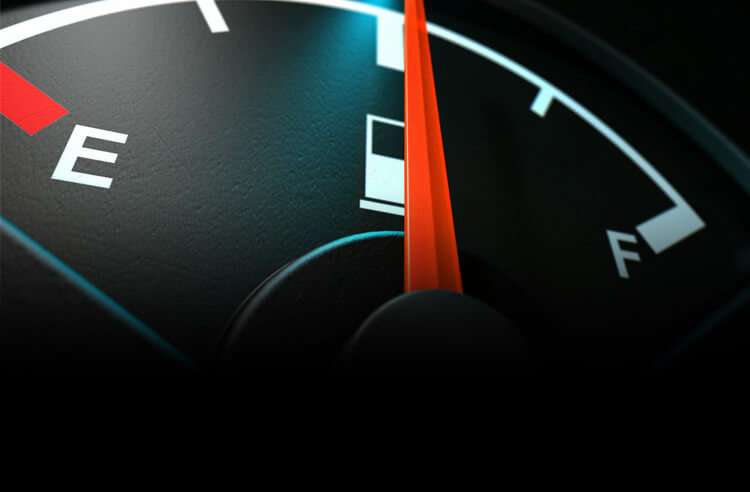
Fuel prices in Nigeria keep rising, and for most drivers, buying petrol now feels like paying school fees. That’s why knowing how to reduce fuel consumption in cars is no longer just useful it’s essential. Whether you drive a Toyota Camry, a Honda, or manage a fleet of buses, learning fuel-saving techniques can help you cut costs, extend your car’s lifespan, and enjoy smoother rides.
The good news? You don’t need to park your car or break the bank to save fuel. With a few smart adjustments — both mechanical and in your driving habits you can drastically lower your fuel consumption and get more out of every litre.
In this guide, we’ll cover the real causes of high fuel consumption, practical tips on how to mechanically reduce fuel consumption in cars, and even how to improve fuel economy in automatic, manual, petrol, and older vehicles.
Let’s dive in.
What Causes Too Much Fuel Consumption in a Car?
Before solving a problem, you need to know the cause. If your car is “drinking fuel like sachet water,” here are the common culprits:
- Poor Maintenance – Dirty air filters, worn-out spark plugs, or old engine oil make your car burn more fuel than necessary.
- Bad Driving Habits – Aggressive acceleration, unnecessary idling, and overloading put extra pressure on the engine.
- Car Age & Condition – Older cars, carburetor engines, or poorly tuned vehicles are naturally less fuel-efficient.
- Tyre Issues – Underinflated tyres or poor wheel alignment increase resistance and fuel usage.
How to Mechanically Reduce Fuel Consumption in Cars (Proven Methods)
If you want long-term results, focus on the mechanical side of things. Here’s how to do it:
1. Service Your Car Regularly
Changing engine oil, air filters, and spark plugs on schedule keeps your car running smoothly and reduces fuel wastage. Skipping service is like refusing to clean your stove and expecting it to cook faster.
2. Maintain Correct Tyre Pressure
Underinflated tyres make your car work harder, which means more fuel burnt. Check your tyre pressure weekly — especially before long trips.
3. Wheel Balancing & Alignment
A car that “drags” to one side wastes fuel. Proper alignment reduces resistance and saves petrol.
4. ECU Remapping & Tuning
This is where EcoSport Tuning Africa comes in. ECU remapping unlocks hidden engine efficiency, giving you more power with less fuel. Many Nigerian drivers report up to 20% fuel savings after proper tuning.
5. Smart Modifications
From better exhaust systems to performance chips, certain upgrades improve fuel economy. Always use certified professionals — backyard mechanics can make things worse.
How to Reduce Fuel Consumption in Automatic and Manual Cars
Not all cars are driven the same way. Here’s what you should know:
🚘 Automatic Cars
- Accelerate gently; don’t “floor it.”
- Use cruise control on highways (if available).
- Avoid unnecessary gear shifts — let the transmission work smoothly.
🚗 Manual Cars
- Shift gears at the right RPM (usually around 2,000–2,500 RPM).
- Don’t “ride the clutch.” Keep your foot off when not shifting.
- Avoid holding the brake and clutch together for too long in traffic.
How to Improve Fuel Economy and Reduce Fuel Consumption in Older Cars
Many Nigerians still drive petrol cars with carburetors. Here’s how to save fuel with them:
- Carburetor Adjustment – A poorly adjusted carburetor wastes fuel. Get it tuned regularly.
- Use Quality Petrol – Bad fuel clogs carburetors and reduces efficiency.
- Check Ignition Timing – Faulty ignition makes engines burn excess fuel.
How to Improve Fuel Economy in Older Cars
Older vehicles, especially imported “Tokunbo” cars, are not always fuel-friendly. But you can still make them better:
- Upgrade spark plugs, filters, and ignition coils.
- Run diagnostics to spot hidden issues.
- Consider professional tuning — ECU remapping isn’t just for new cars.
10 Expert Tips on How to Reduce Fuel Consumption in Cars in Nigeria
Here are 10 practical, everyday tips that will save you money:
- Drive at steady speeds, avoid “stop-and-go” habits.
- Remove unnecessary weight from your car boot.
- Switch off your engine during long waits.
- Close windows at high speeds to reduce drag.
- Use the right engine oil (check your manual).
- Keep your engine tuned and serviced.
- Combine errands into one trip instead of multiple short drives.
- Avoid rough roads when possible (bumpy roads = more fuel burn).
- Use air conditioning wisely — it increases fuel consumption.
- Consider ECU remapping for professional fuel optimization.
💡 Quick takeaway: Even 3 simple habits — keeping tyres inflated, driving smoothly, and servicing your car — can drastically cut fuel use.
Why Professional Tuning is the Best Way to Save Fuel
While tips and tricks help, the biggest game-changer is professional vehicle tuning. At EcoSport Tuning Africa, we specialize in:
- ✅ ECU Remapping (up to 20% fuel savings)
- ✅ Speed Limiter Installation (great for fleets & parents)
- ✅ Fuel Efficiency Upgrades
- ✅ Diagnostic & Tracking Services
Our solutions are safe, tested, and tailored for Nigerian roads and vehicles.
Just ask our clients:
“My fuel costs dropped instantly after tuning. One of the best decisions I’ve made for my car.” – Tunde, Lagos
Conclusion:
Fuel efficiency isn’t just about saving money — it’s about driving smarter, extending your car’s life, and even reducing emissions. Whether you drive an old Toyota Camry, a modern SUV, or manage a fleet of buses, the secret is the same: keep your car in top condition and let professionals fine-tune its performance.
👉 Ready to cut your fuel costs?
Book a professional fuel efficiency upgrade with EcoSport Tuning Africa today. Call us on 08130825359 and start saving on every drive.
